Understanding the Published Project
In a published Charleston pantry project, NEAT Method describes the use of categorised baskets, canisters, risers and labels to arrange food within a small pantry space. The four elements have different roles within that arrangement.
The Role of Baskets
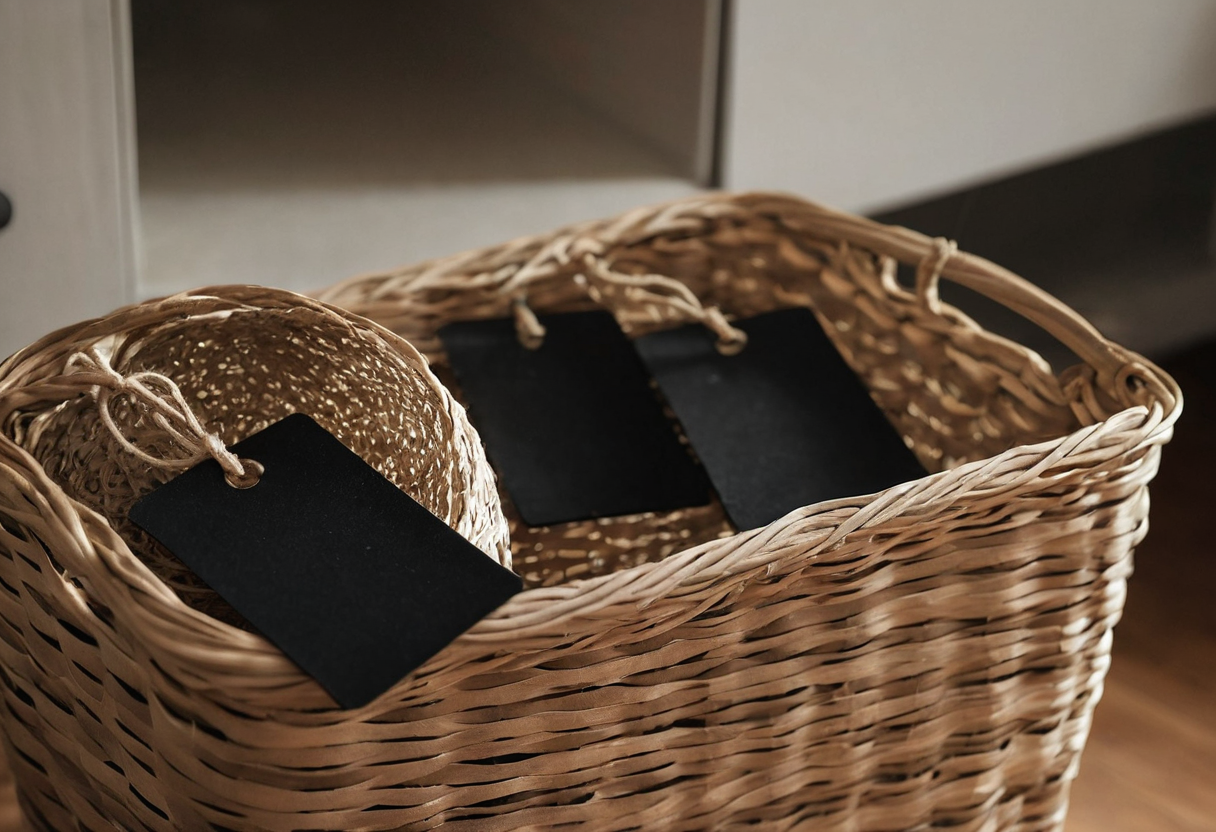
In the context of the documented pantry, baskets are described as categorised. The primary role of a basket in a small cupboard is grouping loose packets and irregularly shaped items together. Rather than leaving individual pouches or boxes scattered across a shelf, a basket gathers them into a single movable unit. This approach is conceptually similar to using dividers to corral smaller items, much like the strategies explored when arranging pantry drawer layouts. The basket acts as a boundary, keeping one category of food visually and physically distinct from another.
Canisters as Their Own Category
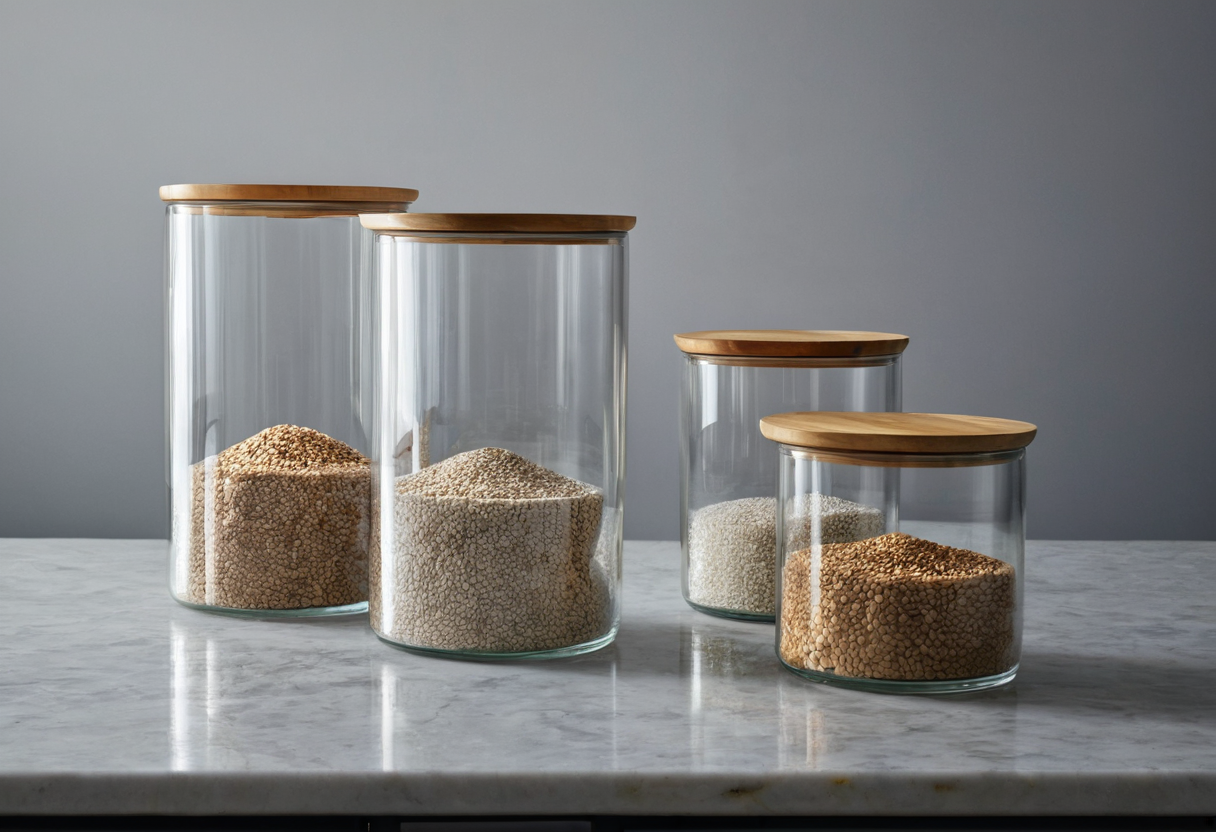
Canisters serve a fundamentally different role from baskets. Whilst baskets group existing packaging, canisters typically act as standalone vessels intended to hold decanted dry goods. They form their own category of storage because they replace original packaging with uniform containers. For those who frequently decant ingredients, managing spare jars is a separate task altogether, often requiring dedicated space such as the methods discussed for storing empty jars by size. Canisters are separate vessels for dry goods.
Risers for Creating Levels
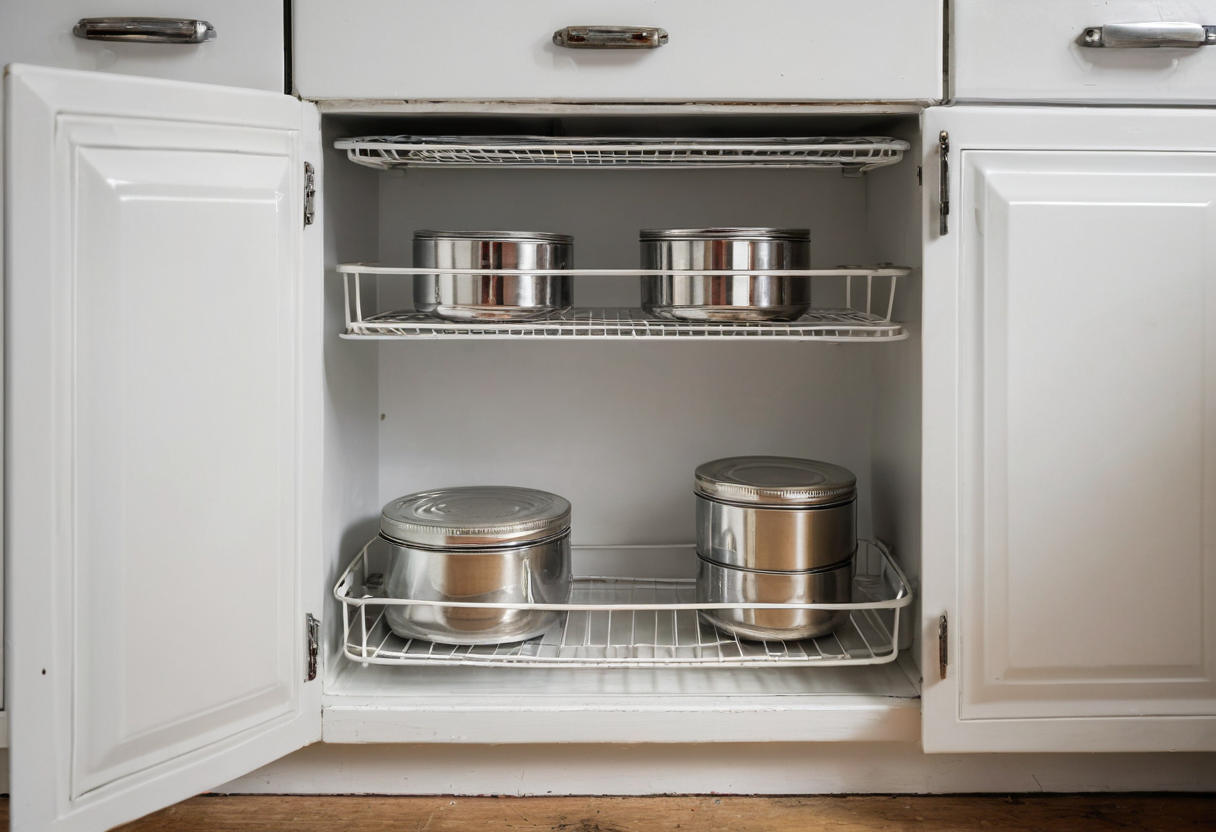
The documentation identifies food arranged on risers. The role of a riser is to introduce a second level within a single shelf space. By elevating items at the back of a cupboard, a riser creates an additional tier above the base shelf. This vertical strategy works strictly within the existing horizontal shelf plane by adding height, which is a distinct spatial approach compared to utilising the inside of a door, as seen in guides evaluating a cabinet door organiser fit.
Labels for Identification
Labels complete the quartet of components mentioned in the project. Their role is identification. Whilst baskets group, canisters contain and risers elevate, labels communicate. They indicate what is inside a vessel or which category a basket represents. Labels function as an information layer; if your household relies heavily on written reminders, you might also consider how a shopping list board location complements internal pantry labelling by serving as a separate information surface outside the cupboard.
Bringing the Elements Together
The NEAT Method Charleston project demonstrates a layered approach to small-pantry organisation. By assigning distinct roles—baskets for grouping loose packets, canisters as their own containment category, risers for establishing a second level and labels for identification—the layout combines several storage methods in one small space. Treating them as separate tools rather than a single solution allows for a more tailored approach to cupboard arrangement.
Baskets, Canisters, Tins, Tags, Bowls