Why Container Dimensions Matter
Before purchasing new storage for your kitchen, it is sensible to measure the spaces you intend to use. Comparing the footprint of a container against your available shelf or drawer space allows you to plan your layout without guessing. For further guidance on planning your kitchen zones, our article on staging groceries on your counter explores how to manage items before they reach their final storage spot.
The Published Measurements
We are looking at two specific products listed on IKEA UAE pages. The first is the IKEA 365+ square plastic food container with lid (750 ml, article number 492.691.05). The second is the PRUTA food container with lid, blue (0.6 l, article number 105.971.03).
The verified product measurements provided by the manufacturer are as follows:
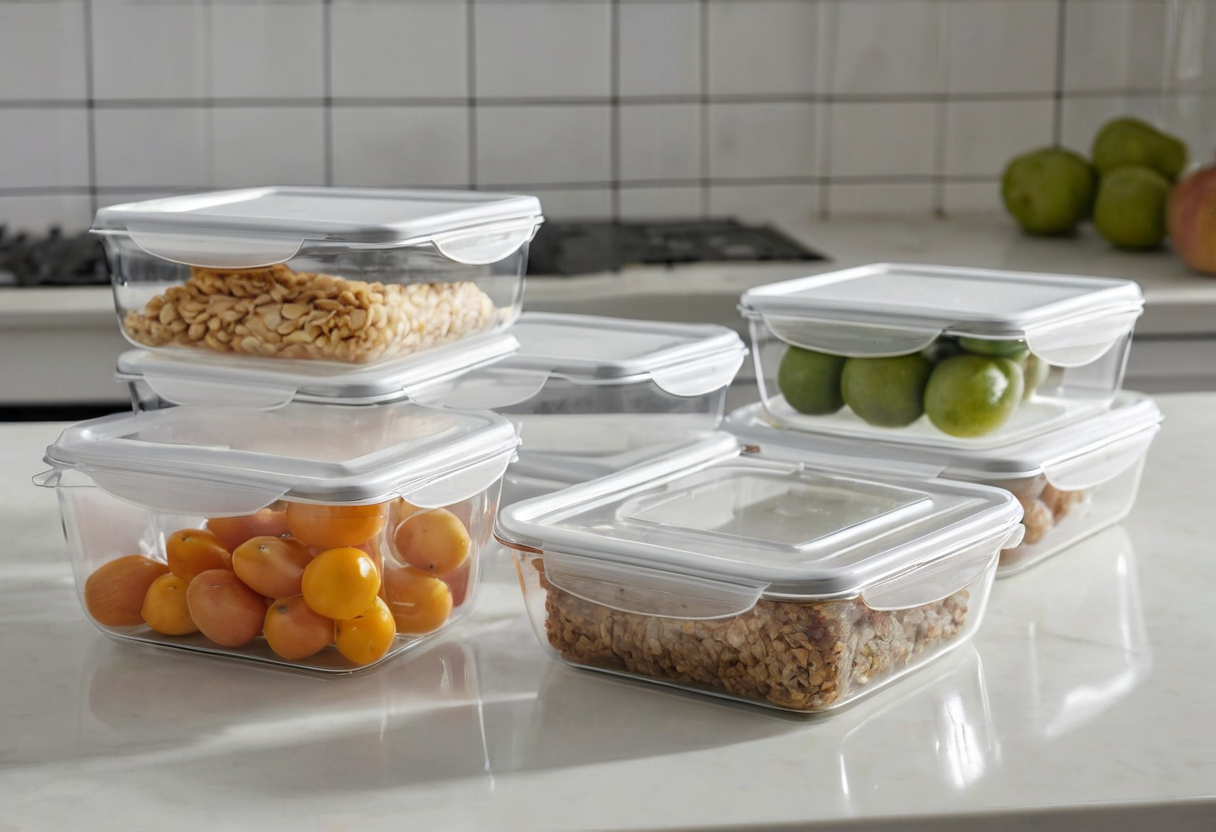
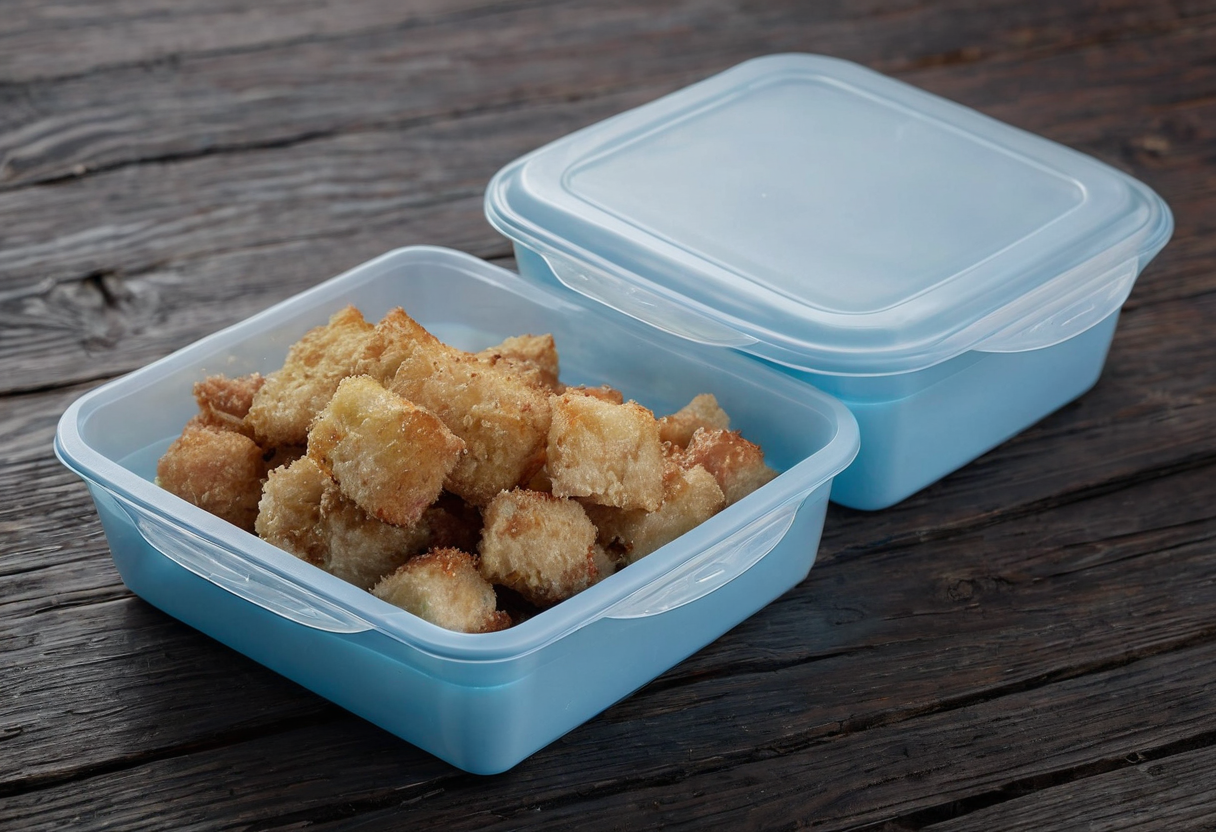
- IKEA 365+ square container: length 15 cm, width 15 cm, height 7 cm, volume 750 ml. The visible form is a clear container and lid with blue latches.
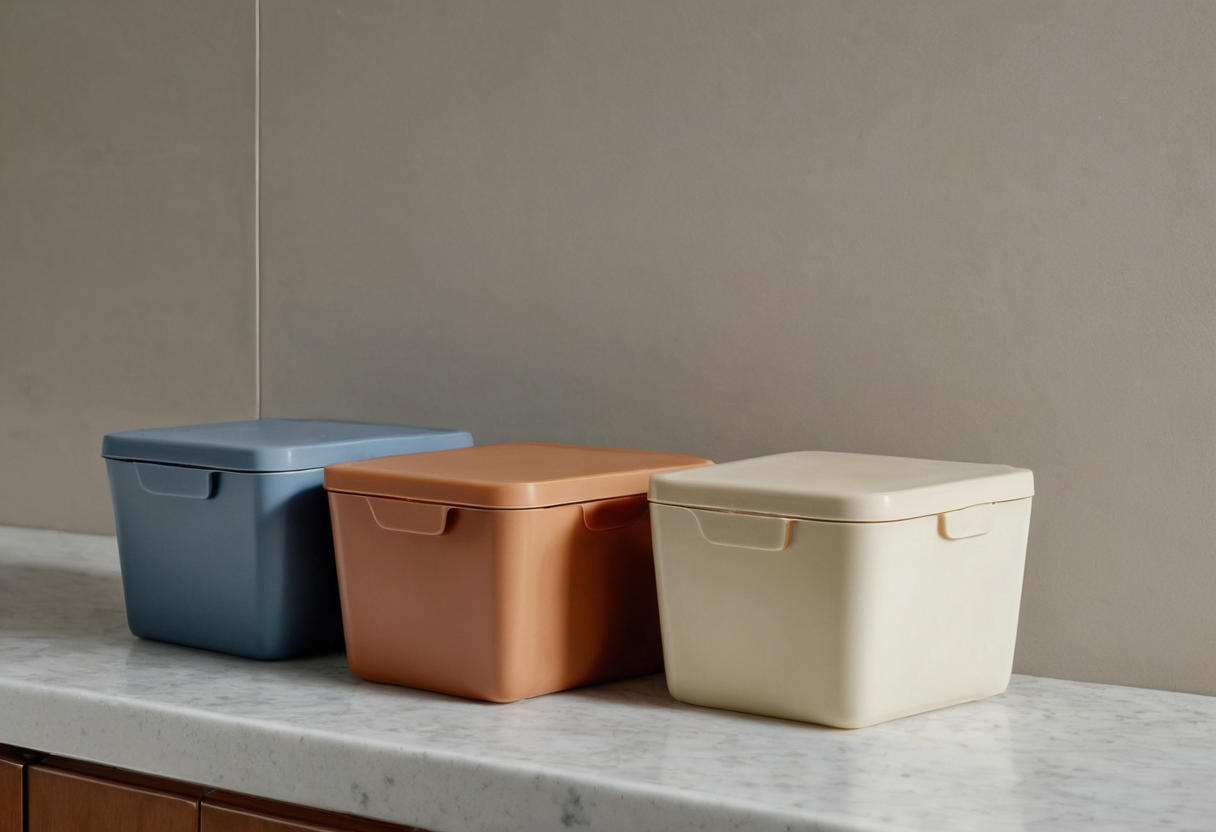
- PRUTA container: length 14 cm, width 14 cm, height 6 cm, volume 0.6 l. The visible form is a light blue container with a lid.
These figures represent the physical dimensions of the products themselves. They are not packaging dimensions, nor do they represent shelf capacity.
Comparing Product Footprint to Your Space
To determine whether either container will suit your home, you can compare these published measurements against your own available space using a straightforward method:
- Use a tape measure to record the internal length, width and usable height of your target shelf or drawer.
- Write down these internal dimensions clearly.
- Place the product's published length and width alongside your recorded shelf length and width.
- Check whether the product's height leaves enough clearance for the shelf above or the drawer mechanism.
This comparison shows you the mathematical relationship between the box and the space. Factors such as shelf brackets, drawer runners or slight manufacturing tolerances can affect how items sit in reality. If you are mapping out multiple items, our guide on reading a family manual against an actual fridge offers a structured approach to checking your real appliance.
Differences in Size and Form
When placed side by side on paper, the IKEA 365+ container occupies a slightly larger footprint than the PRUTA container. It is one centimetre longer, one centimetre wider and one centimetre taller. Their volumes also differ, listed as 750 ml and 0.6 l respectively.
Beyond dimensions, the visual forms differ. One presents as clear with blue latches, whilst the other is light blue throughout.
Organising Around Your Measurements
Once you have compared the footprints and identified which containers align with your measured spaces, you can begin arranging them. For advice on managing lids across different shapes, see our article on matching stackable leftover container lids. Similarly, if you are reorganising your pantry, our feature on storing empty jars by size applies comparable measuring principles to glass storage.
By relying strictly on the published product measurements and your own tape measure, you can make informed decisions about which square containers belong on which shelves.
Containers, Cupboards, Cardboard and Dishes