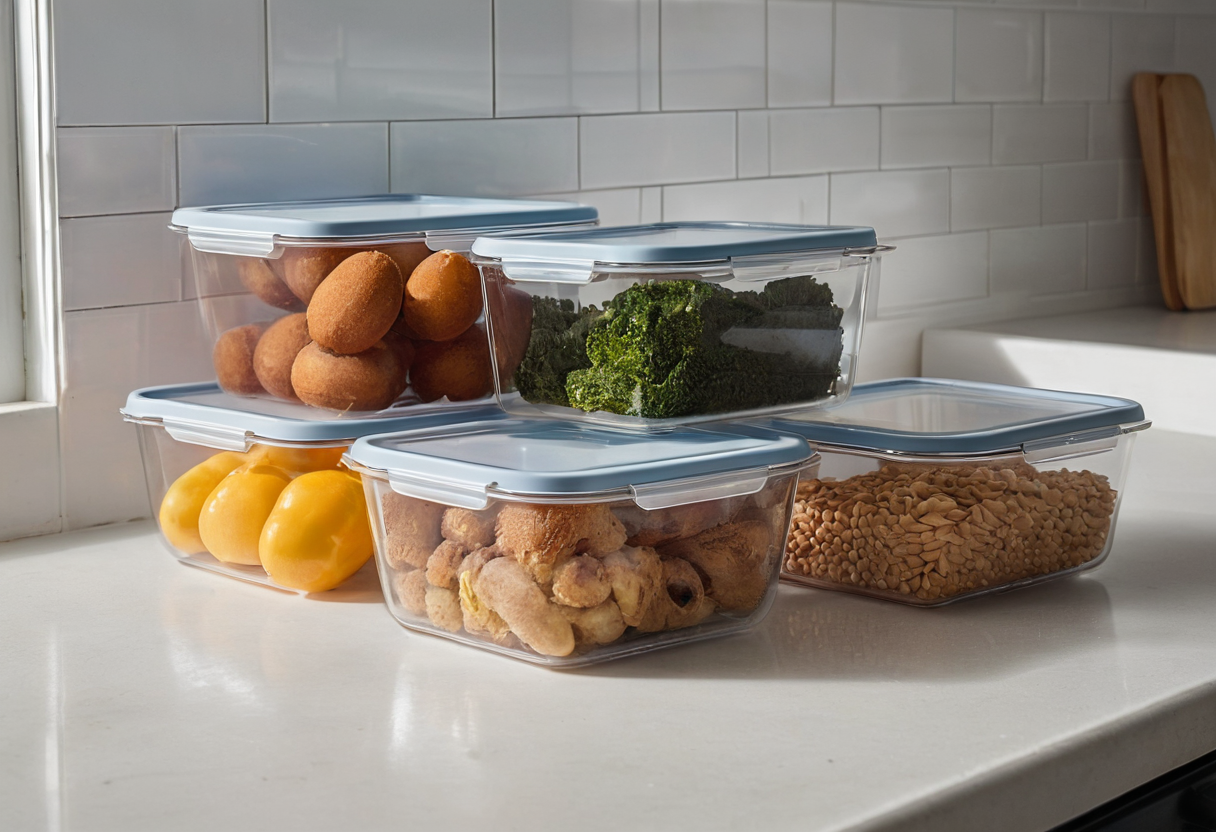
Organising kitchen cupboards often involves matching lids to bases. When a single lid design is documented to fit containers of different heights, the decision about where to store them shifts from simply pairing parts to evaluating vertical space on a shelf.
Documented Compatibility Across Heights
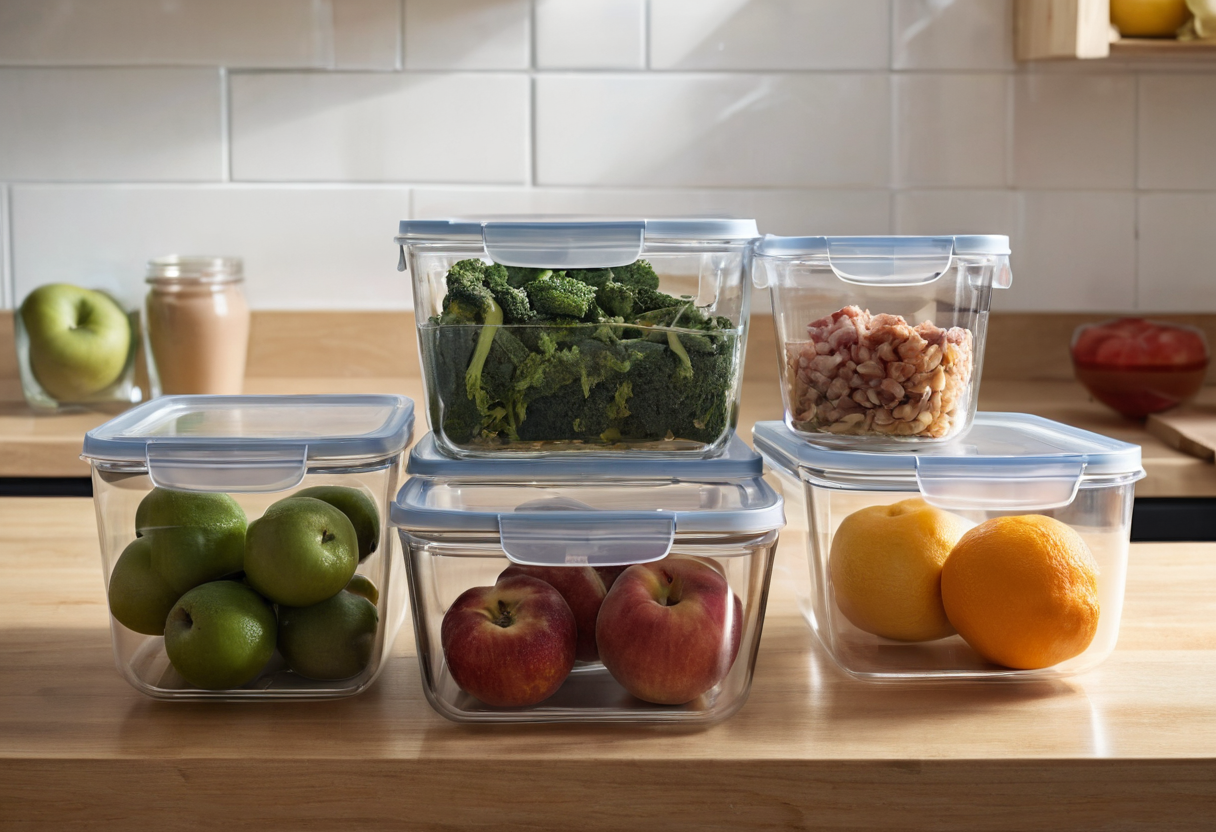
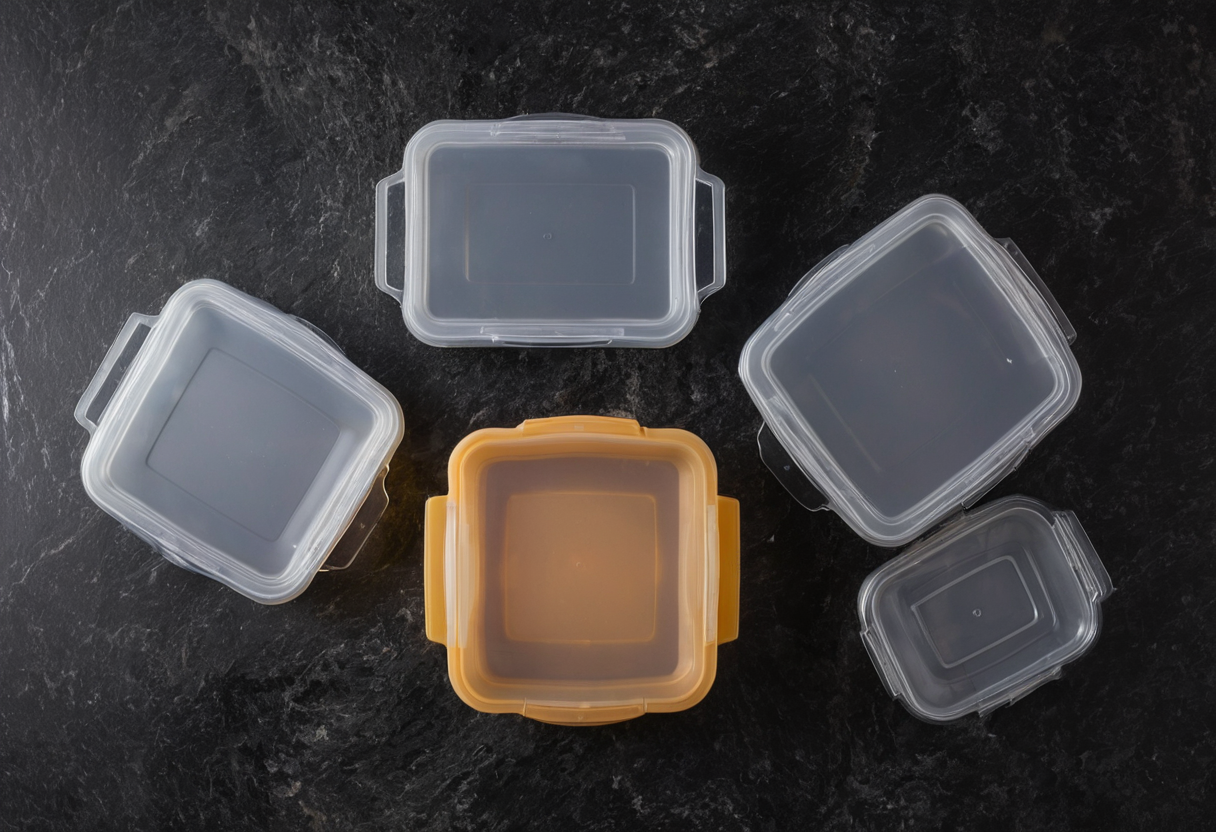
The IKEA 365+ food container with lid, square, plastic set (article 492.691.05) includes a 750 ml container with an assembled overall height of 7 cm alongside lid article 103.617.89. According to the product information for the square plastic lid (article 103.617.89), this lid fits all IKEA 365+ square-shaped containers. The documentation also notes that the separate 1.4 litre square plastic container (article 903.591.79), which measures 11 cm in height alone, lists the same square-shaped lid compatibility. This means one lid specification covers two distinct container heights: an assembled set at 7 cm and a container alone at 11 cm.
Understanding this documented overlap helps when planning storage zones. Knowing that one lid serves both the shorter and taller containers allows you to keep matched sets together. For further context on organising mixed sizes, exploring approaches to storing empty jars by size offers useful spatial principles.
Evaluating Cupboard Clearance
Manufacturer-stated dimensions provide the baseline measurements for each piece. However, these figures do not automatically confirm how the items will sit within a specific cupboard. Readers must check actual lidded heights rather than add lid measurements to base numbers before finalising a spot. A shelf that accommodates the 7 cm assembled set may not offer enough vertical clearance for the 1.4 l container once the same lid is secured on top.
When selecting a cupboard location, consider the following practical steps:
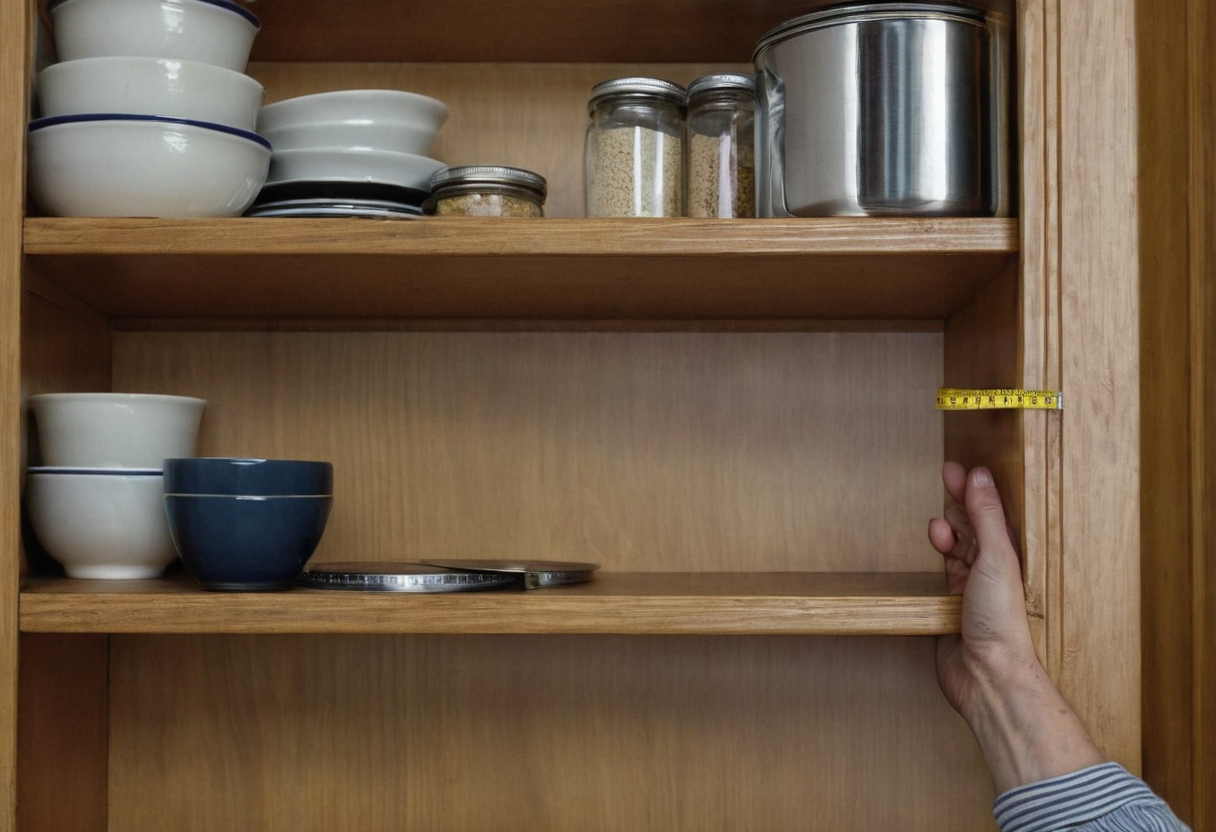
- Measure the exact distance between shelves in the intended cupboard.
- Place the tallest lidded container on the shelf to verify it clears the board above without forcing.
- Check if the chosen shelf depth accommodates the footprint, especially if multiple units are placed side by side.
This manual verification bridges the gap between documented product specifications and the physical reality of your kitchen cabinetry. A separate guide compares the overall dimensions of two lidded food containers.
Nesting Empty Containers
The product page for the 1.4 litre square plastic container states that empty containers of that type nest. This feature directly influences cupboard organisation when the containers are not in use.
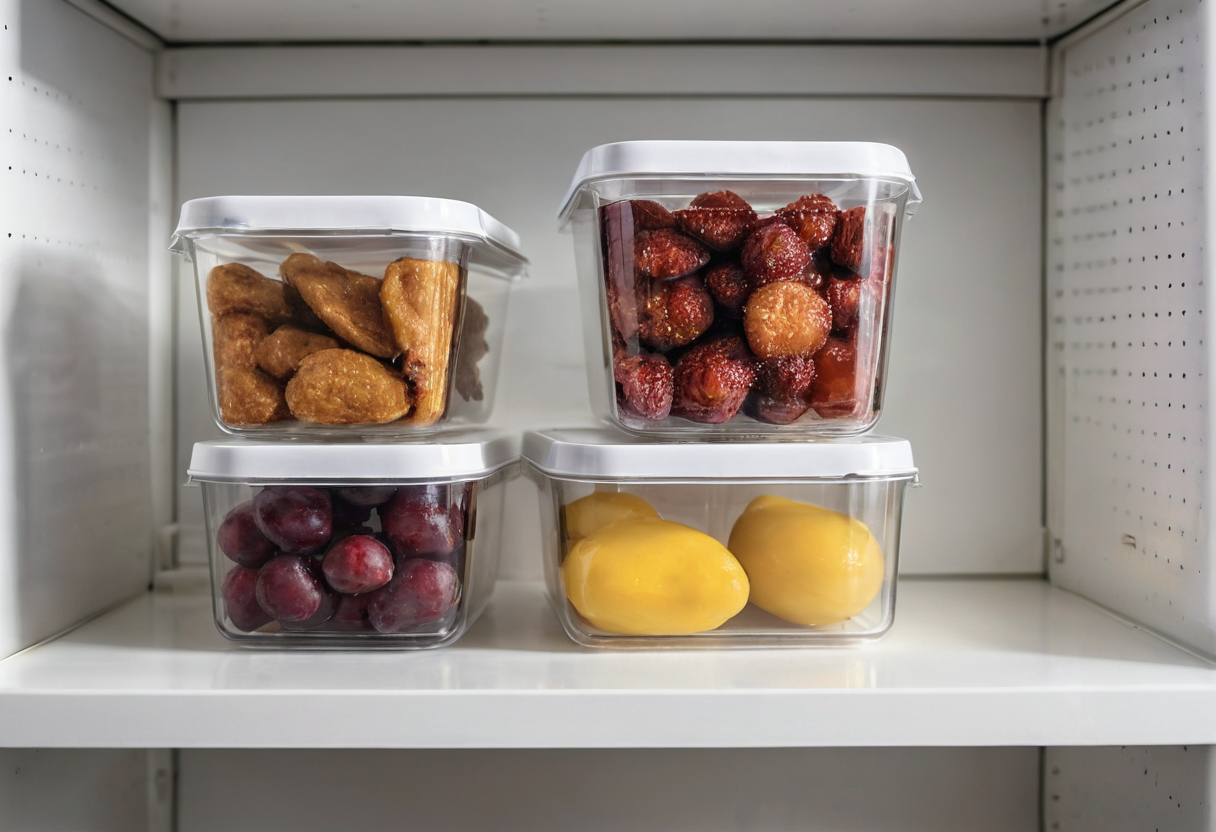
If you keep the containers nested when empty, they occupy less volume. The uniform lids can then be stored flat or stacked nearby. A separate guide examines a manufacturer’s fridge layout diagram.
Arranging the Storage Zone
With the lid compatibility confirmed and the shelf height manually checked, the final step is arranging the chosen cupboard spot. Grouping the components together keeps the system contained. If the cupboard features deep shelves, utilising pantry drawer dividers can help organise the square bases alongside other items.
Ultimately, documented compatibility simplifies the pairing process, but physical measurement dictates the final cupboard assignment.
Containers, Lids and Kitchen Storage