Defining the Surface Area
When arranging a kitchen in a UAE home, every centimetre of worktop matters. The footprint of an organiser refers to the area its base covers on the counter. This measurement is distinct from the total volume or height of the unit. Knowing this baseline allows residents to map out their available space accurately before introducing new items.
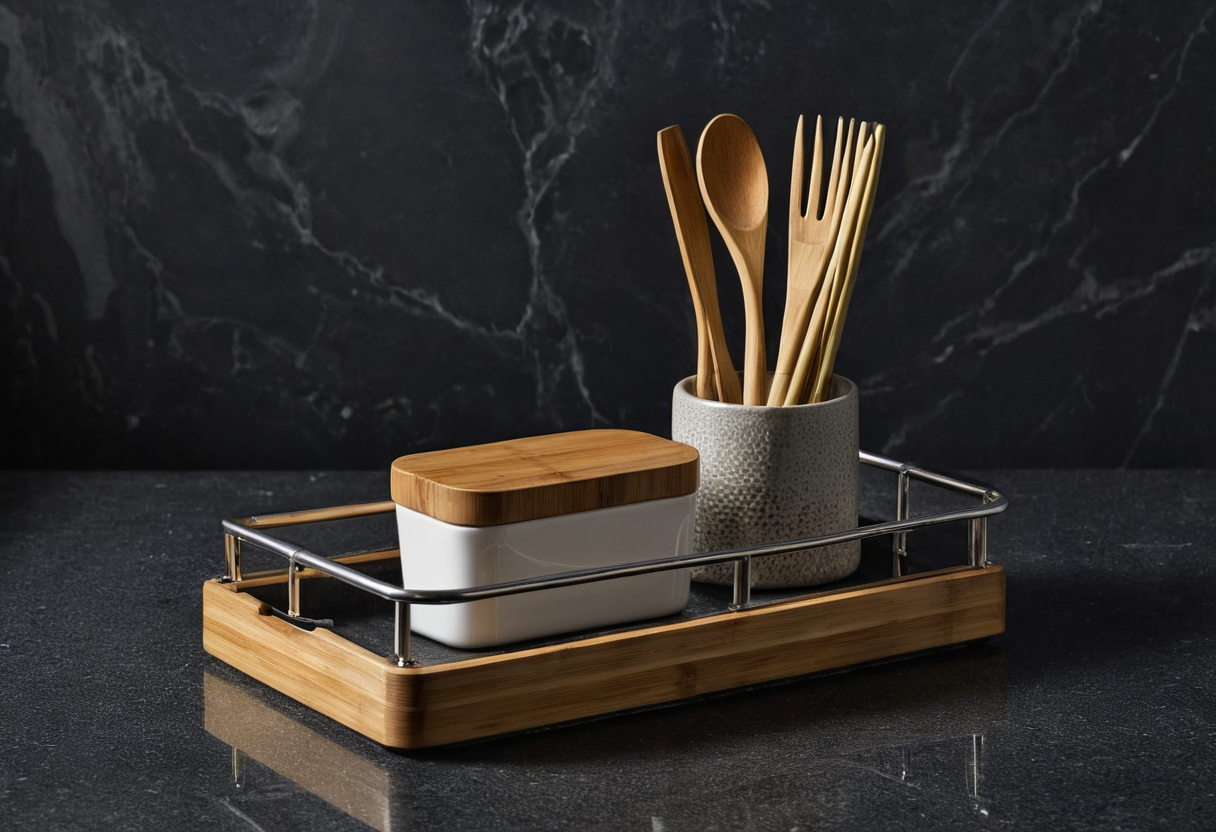
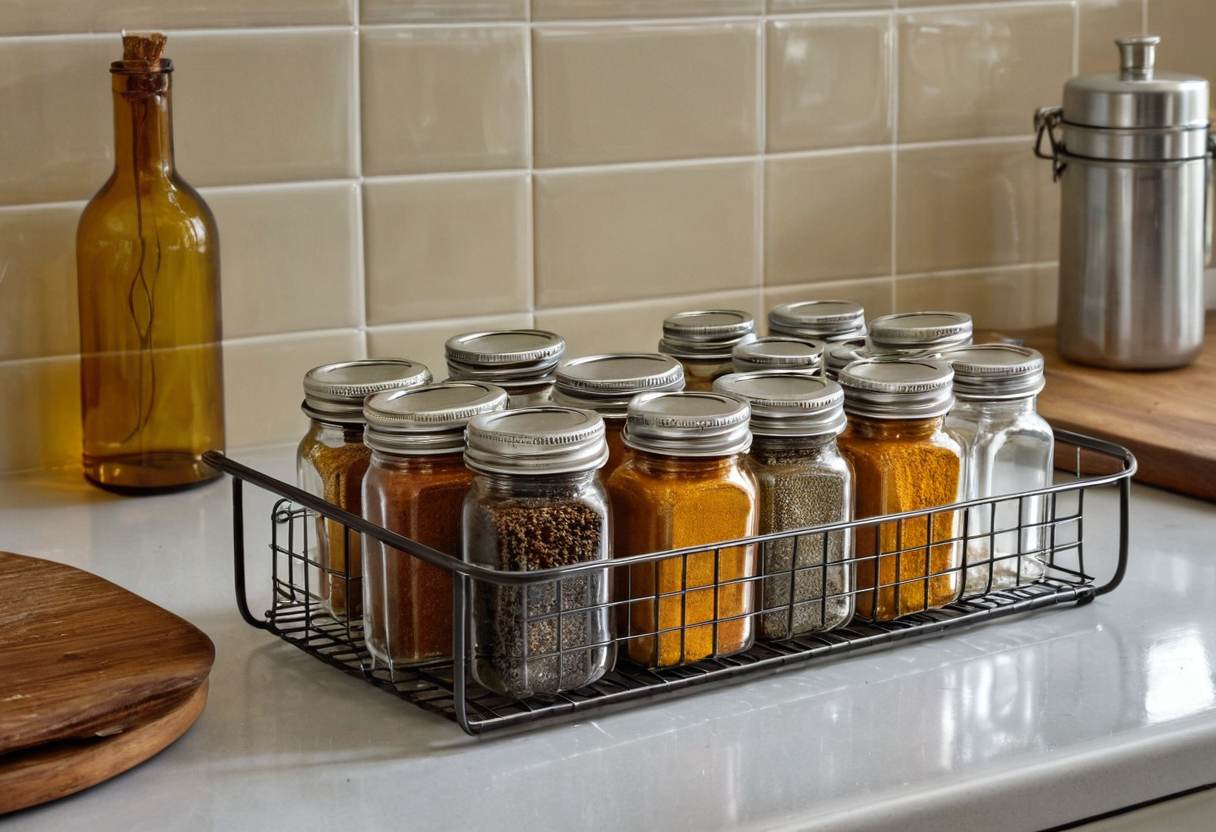
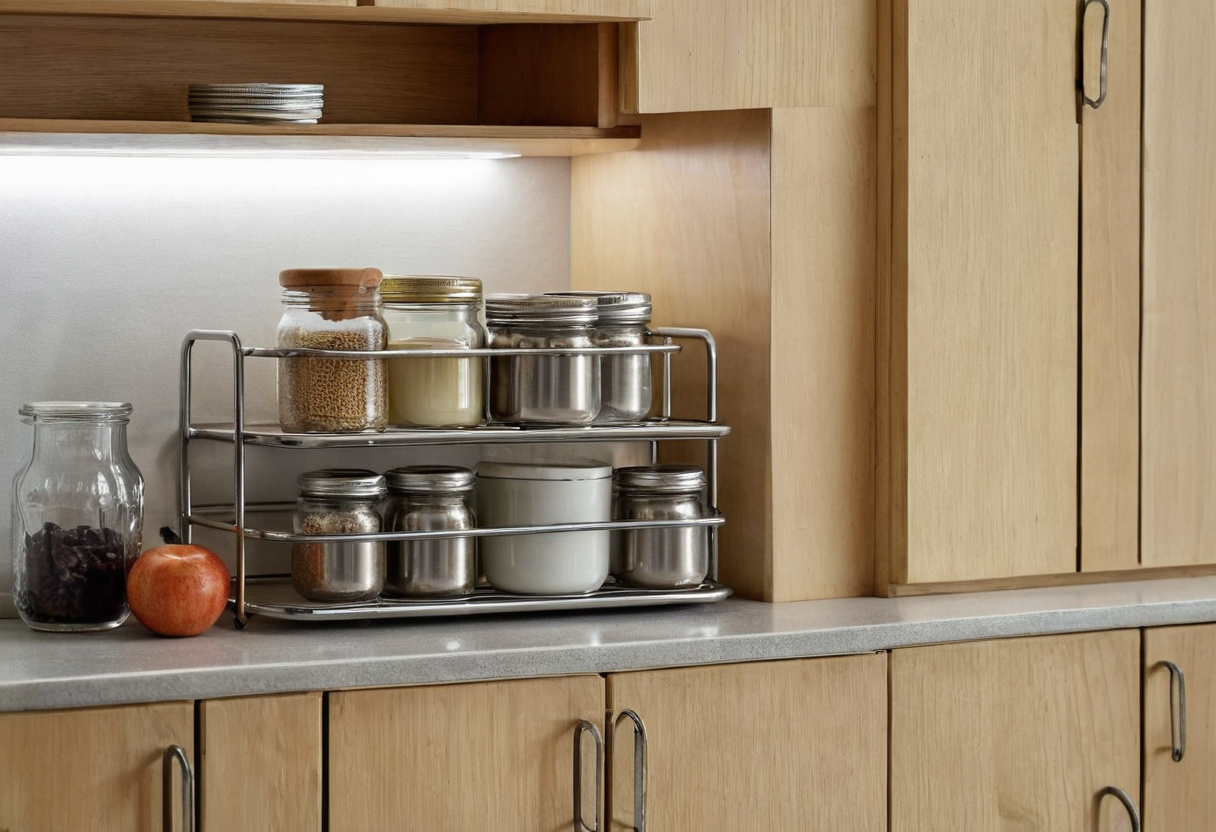
For practical context, the NÅLBLECKA kitchen countertop organiser, as detailed on the IKEA UAE product page (article 006.185.73), provides specific measurements. The manufacturer lists the overall width at 23 cm, the depth at 13 cm, and the height at 15 cm. These figures describe a nominal rectangular outline rather than the actual leg contact area. The product documentation suggests it is intended for holding jars, spice mills, and bottles on a worktop or dining table.
Comparing With Your Own Worktop
A documented product footprint does not automatically translate to suitability for every kitchen layout. Individual worktops vary significantly in depth, length, and the placement of fixed appliances. To compare a known footprint with your own space, follow these practical steps:
- Measure the total usable depth of your worktop, noting any areas obstructed by splashbacks or overhanging cabinets.
- Cut a piece of paper or cardboard to 23 cm by 13 cm and place it in the proposed location to visualise the nominal rectangular outline consumed.
- Check the surrounding clearance to ensure adjacent tasks, such as those discussed in our guide to grocery unloading surfaces, remain unhindered.
This physical mapping separates the manufacturer's stated dimensions from the reality of your specific counter configuration. It prevents assumptions about fit based solely on listed numbers.
Integrating the Footprint Into Daily Layouts
Understanding the nominal rectangular outline helps when coordinating multiple storage solutions. If you are also evaluating mobile options, comparing this static footprint against a rolling pantry trolley footprint highlights the difference between permanent counter occupation and flexible floor-based storage. Similarly, assessing whether frequently used spices belong on the surface or inside concealed spaces might lead you to explore pantry drawer can dividers as an alternative to open-counter organisation.
The placement of even a small organiser influences the worktop. Reviewing your serving bowl arrangement alongside any new additions ensures the worktop remains functional rather than cluttered.
Ultimately, examining the precise footprint of a single documented organiser equips UAE residents with the data needed to make informed spatial decisions. By relying on measured comparisons rather than assumptions, homeowners can maintain organised kitchen surfaces tailored to their unique layouts.
Countertops, Racks, Trays and Jars