An IKEA UAE styled dining layout presents a dining room arrangement that separates items placed directly on the table from those resting on nearby wall shelves. This styled publication layout offers a reference point for anyone considering where empty serveware belongs.
What the Published Layout Shows
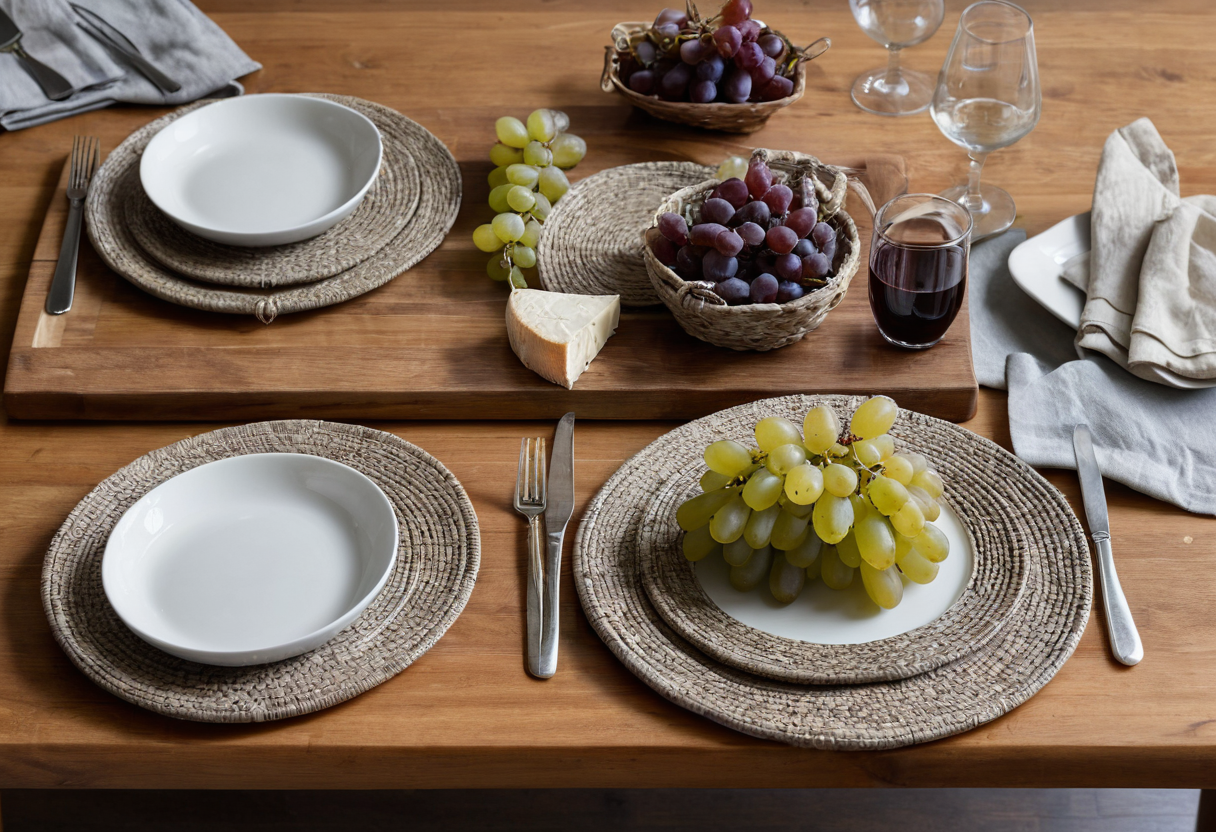
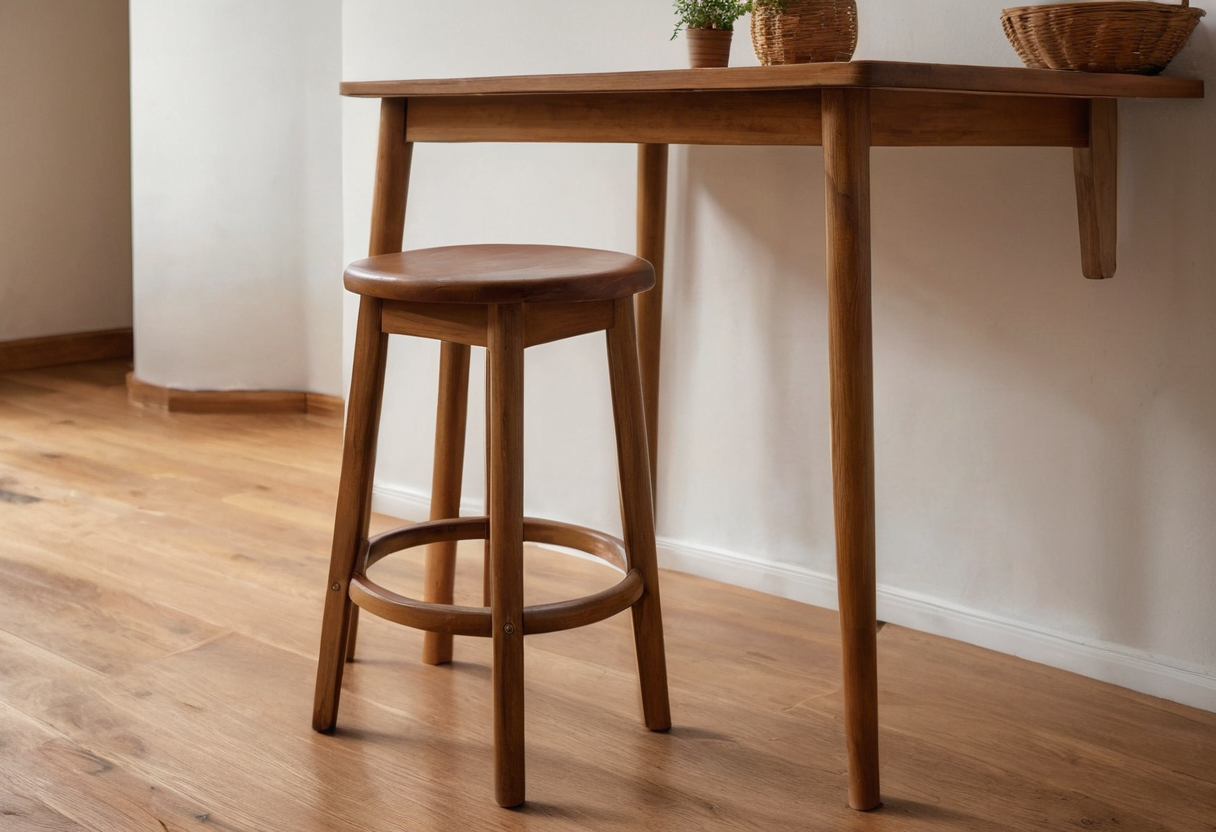
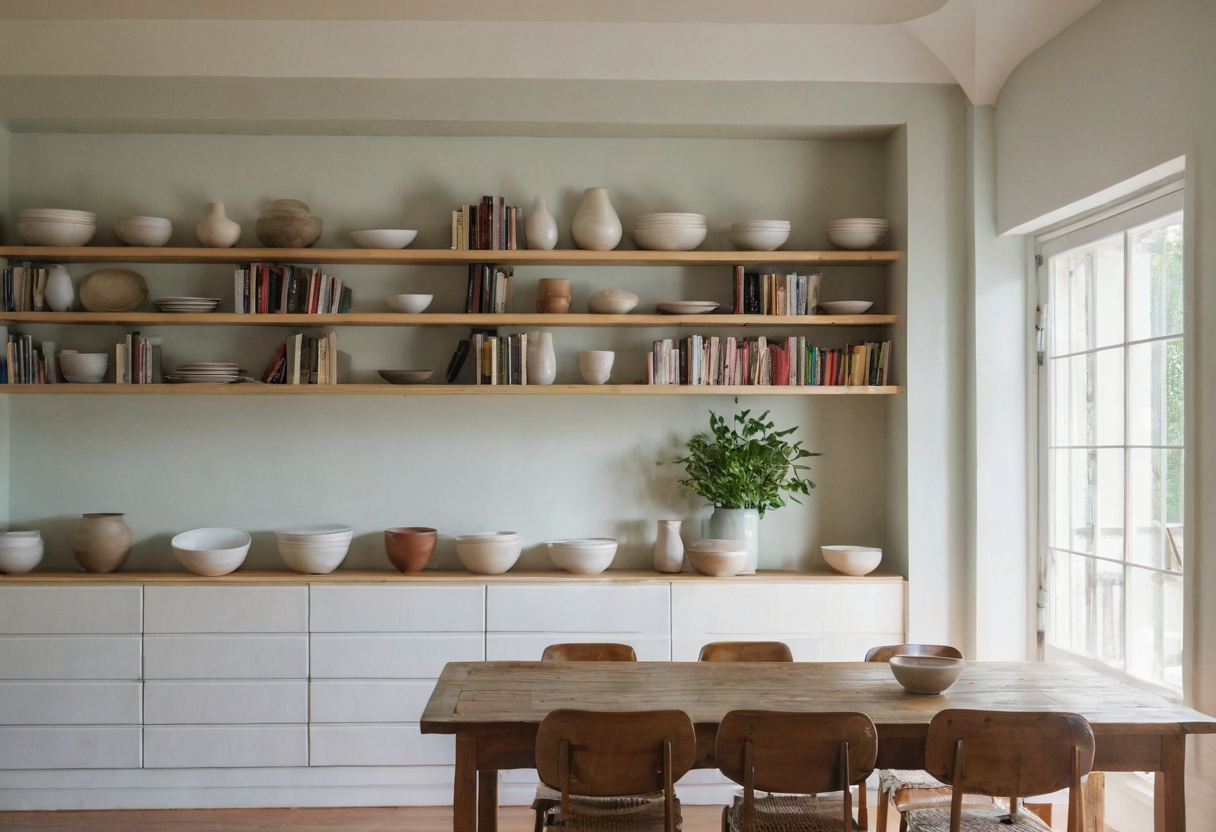
The layout depicts a dining table dressed with placemats and grey dinnerware. Two serving plates holding cheese and grapes sit at the centre of the table. Separately, four wall shelves mounted beside the table hold an assortment of bowls, crockery, books and magazine files. An extra stool also appears in the scene near the dining area.
This separation suggests that not every piece of serveware needs to occupy the main dining surface simultaneously. Those interested in how other household surfaces manage daily transitions might also consider how a countertop caddy footprint organises smaller items, or how a dedicated grocery unloading surface handles incoming goods before they reach storage.
Examining Your Own Table and Shelves
You can apply a similar observational approach to your own home by looking closely at your existing empty bowls, your table surface and any nearby shelf. The goal is simply to notice what currently shares space and whether the arrangement suits your routine.
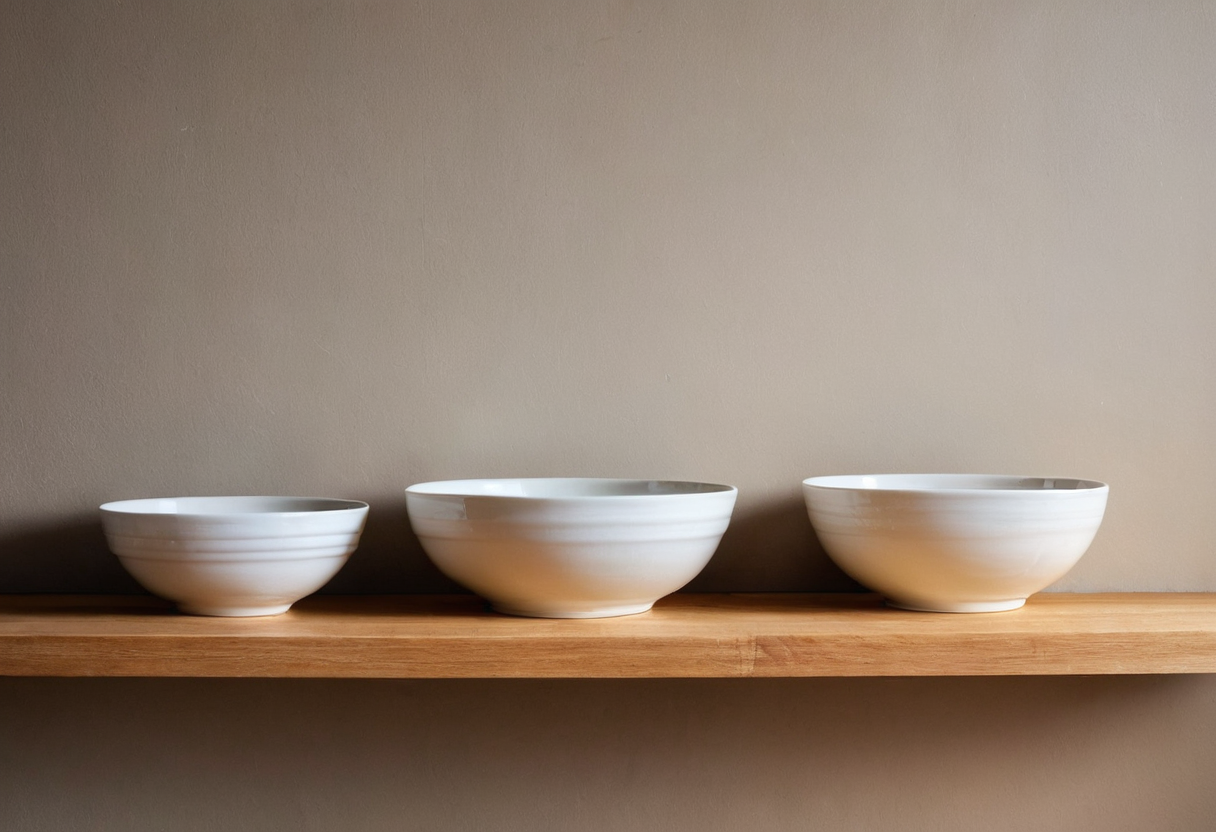
- Gather the empty serving bowls you typically use and place them together where you can see them clearly.
- Look at your dining table surface. Note what already occupies it, such as centrepieces, placemats or everyday crockery.
- Set down a single bowl on the table and observe what now shares that space. Consider whether the remaining surface feels appropriate for your usual activities.
- Examine your nearest wall shelf or side surface. Determine whether there is actual room for the bowls you have just evaluated.
- Return the empty bowls to the shelf only if the actual space works for your specific layout and daily habits.
This process does not require moving every bowl to a shelf or following a strict table setting rule. It merely encourages a closer look at how surfaces interact. For broader context on organising household items, exploring approaches to labelled pantry bins or reusable grocery bag storage may offer further ideas for managing everyday objects.
Distinguishing Plates from Bowls
The key takeaway from the published layout is the visual distinction between the two serving plates on the dining table and the bowls on the four wall shelves. The two serving plates are presented as part of the immediate gathering, while the bowls on the shelves remain visible nearby. The extra stool provides yet another surface within the room.
By observing your own spaces with this distinction in mind, you can decide which pieces belong on the table during a gathering and which are better suited to nearby shelving. The IKEA UAE styled dining layout serves as a reference for styling choices, leaving the final arrangement entirely up to your own preferences and available space.
Bowls, Tables, Shelves and Chairs