When organising frozen storage in a UAE home, understanding how different container sizes relate to your specific appliance is useful. A straightforward paper outline method allows you to compare footprints directly inside your existing setup.
The Two Rectangular Footprints
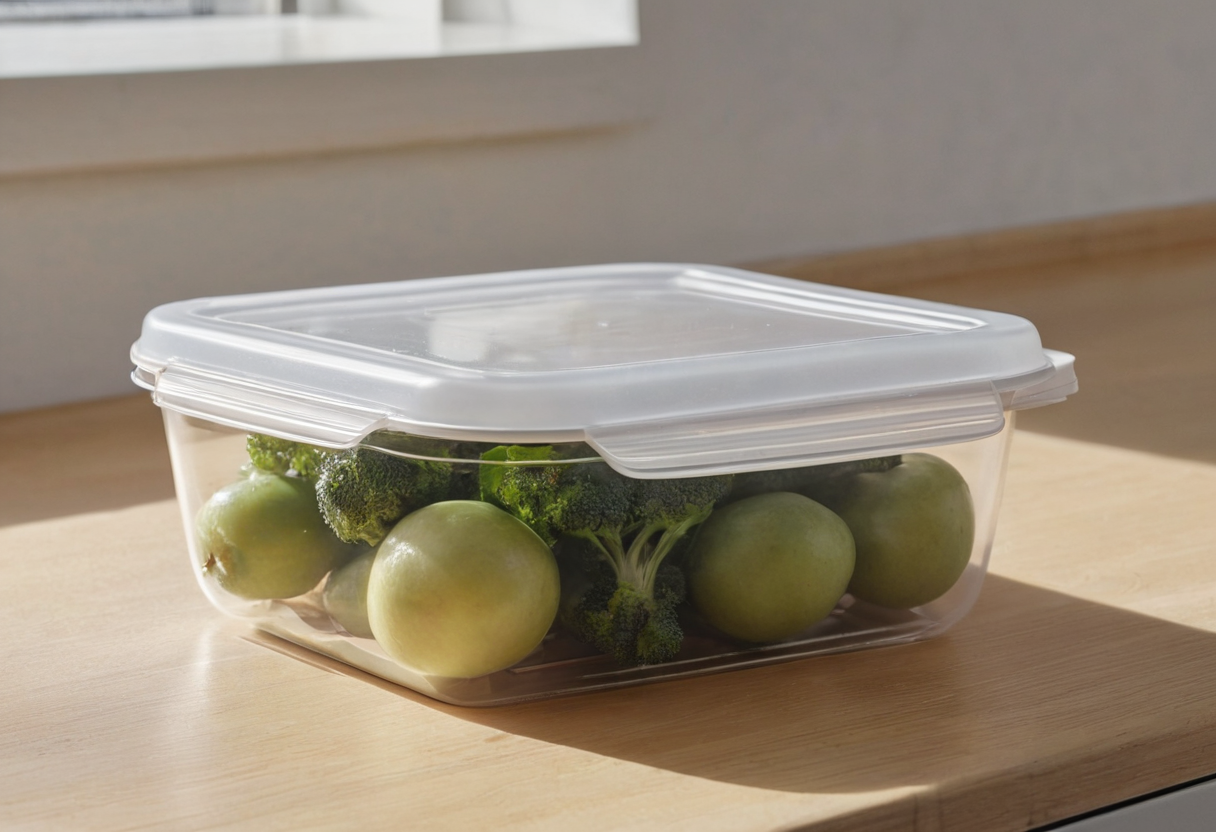
For this comparison, we look at two lidded rectangular plastic containers available from IKEA in the UAE. The first is a 2.0-litre model (article 992.690.80) with overall dimensions of 21 × 15 × 12 cm. The second is a 5.2-litre model (article 692.768.07) measuring 32 × 21 × 12 cm. Both product pages list them as freezer-safe. Note that these are overall dimensions of the lidded sets, so the paper rectangles serve only as nominal outlines rather than exact base contact areas.
To begin, cut two pieces of plain cardboard or thick paper into nominal length × width rectangles: one piece measuring 21 × 15 cm and another measuring 32 × 21 cm. These physical templates represent approximate floor space based on the listed overall dimensions, though they cannot guarantee a precise fit within every drawer profile. You can read more about evaluating container dimensions when planning your kitchen storage.
Testing the Empty Drawer
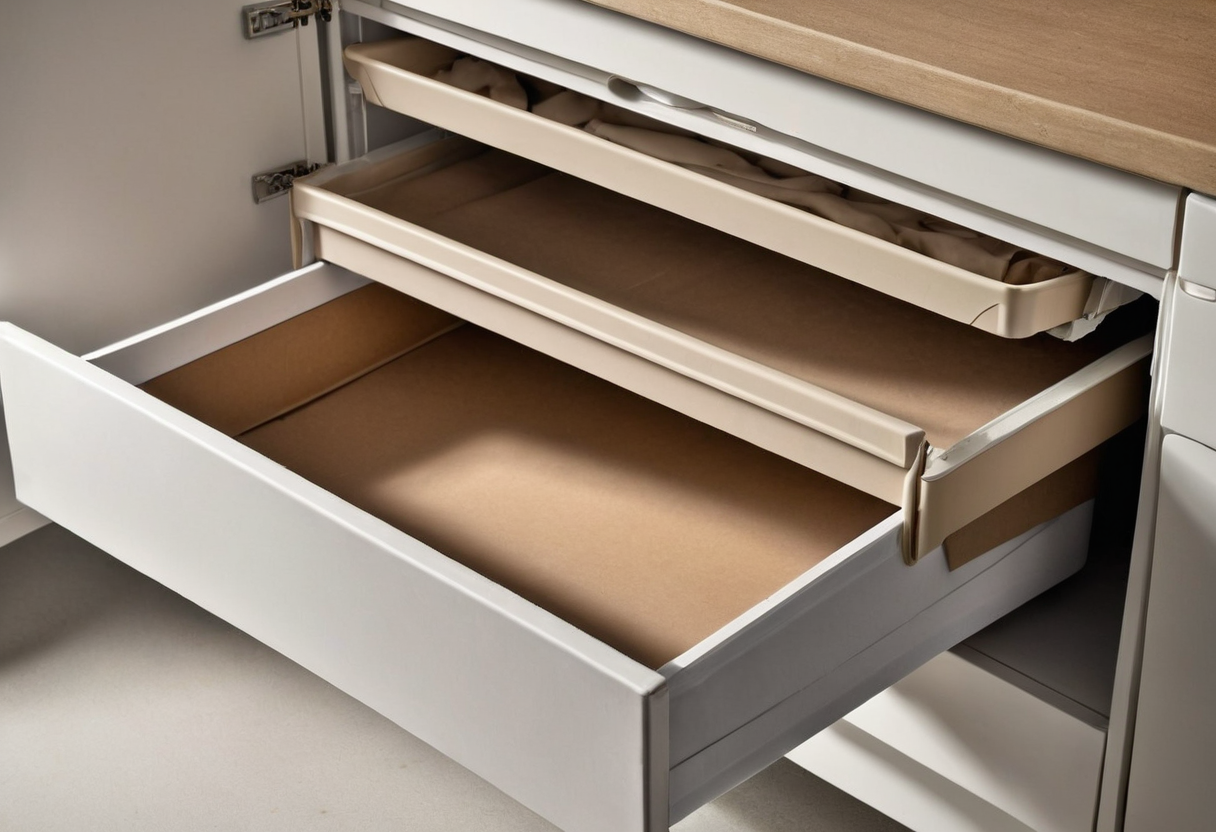
Place both paper outlines into an entirely empty freezer drawer. Observe how each footprint sits against the interior walls. Does the larger 32 × 21 cm outline leave enough room? Does the smaller 21 × 15 cm outline leave unused space?
If you have the empty containers physically available, place them briefly inside to observe height clearance. Understanding how items sit in lower compartments complements strategies used for under-shelf fridge tray arrangements.
Comparing the Layouts
Once the outlines are positioned, consider how they interact with your broader organisation system. Evaluate the following points:
- Whether the larger footprint restricts access to items stored behind it.
- Whether the smaller outline leaves room beside other containers.
- How the uniform 12 cm height of both options aligns with your vertical clearance, which ties into methods for managing stackable container lids.
By comparing these two distinct footprints, you gain practical insight into spatial arrangements. A separate guide compares a manufacturer’s fridge layout diagram with the arrangement inside a real fridge.
Using simple paper templates transforms abstract measurements into tangible comparisons for selecting rectangular storage.
Trays and Kitchen Drawers